Desktop storefront view

Desktop capture of the current brand storefront or homepage.
If the first desktop view lacks category clarity, proof, or contact confidence, colder buyers bounce before product intent compounds.
 LensCore
Outkast Code is our own brand — the clothing label we run, audited by LensCore, the tool we built. Both belong to Outkast Printwears LLP. This is the internal benchmark scan turned into a founder-facing teardown. It strips the audit down to the parts that matter first: what leaks trust, where the gap is largest and what gets fixed next.
Desktop storefront view
Desktop capture of the current brand storefront or homepage.
If the first desktop view lacks category clarity, proof, or contact confidence, colder buyers bounce before product intent compounds.
Mobile storefront view

Mobile capture of the storefront, where many D2C buyers first inspect trust signals.
Mobile friction is usually where discovery-led interest dies first, especially when popups, weak proof, or clutter block the buying path.
Facebook profile
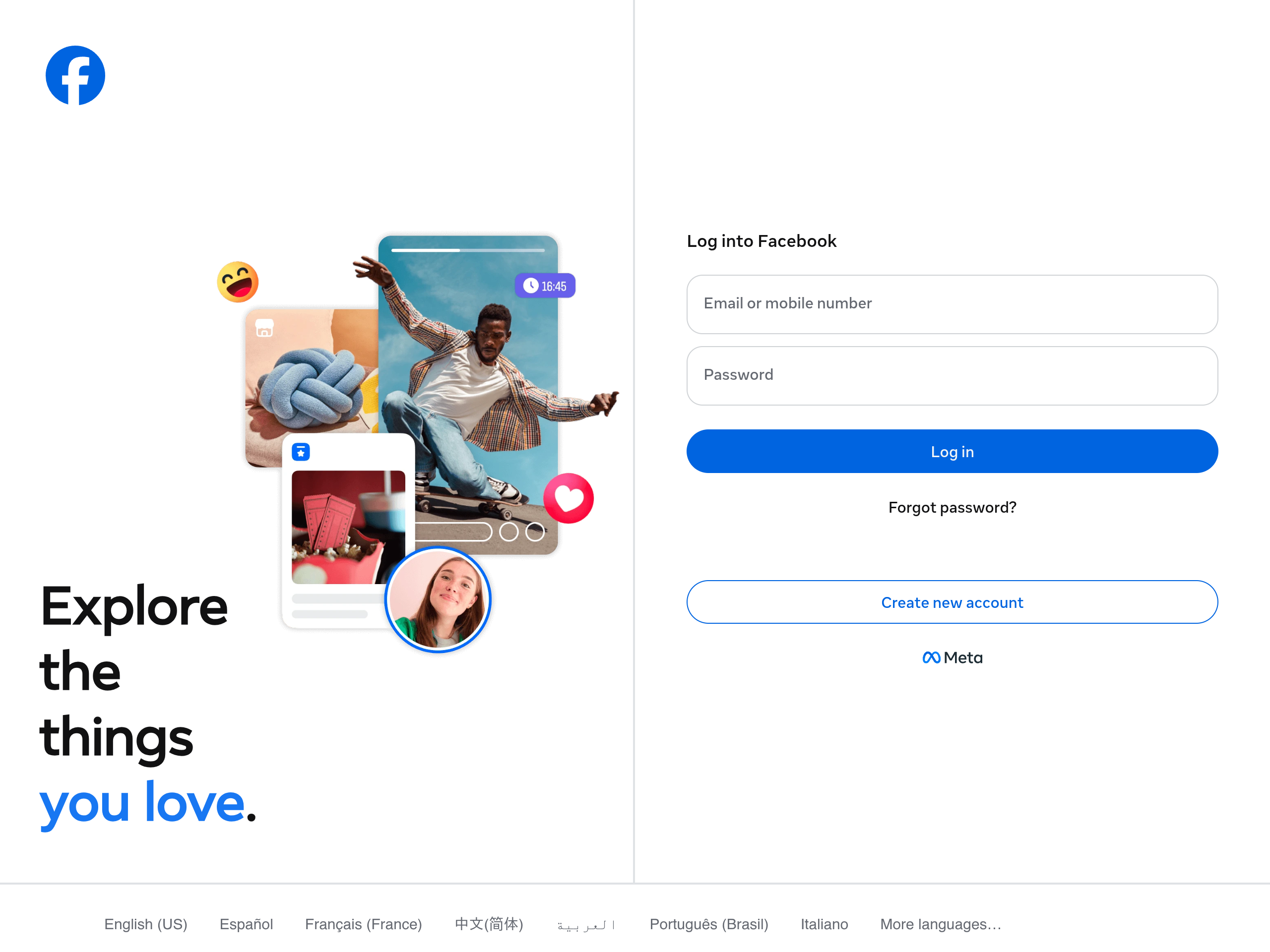
Facebook profile — public presence and brand page trust signals.
A missing or inactive Facebook profile can reduce social proof for discovery-stage buyers.
X (Twitter) profile
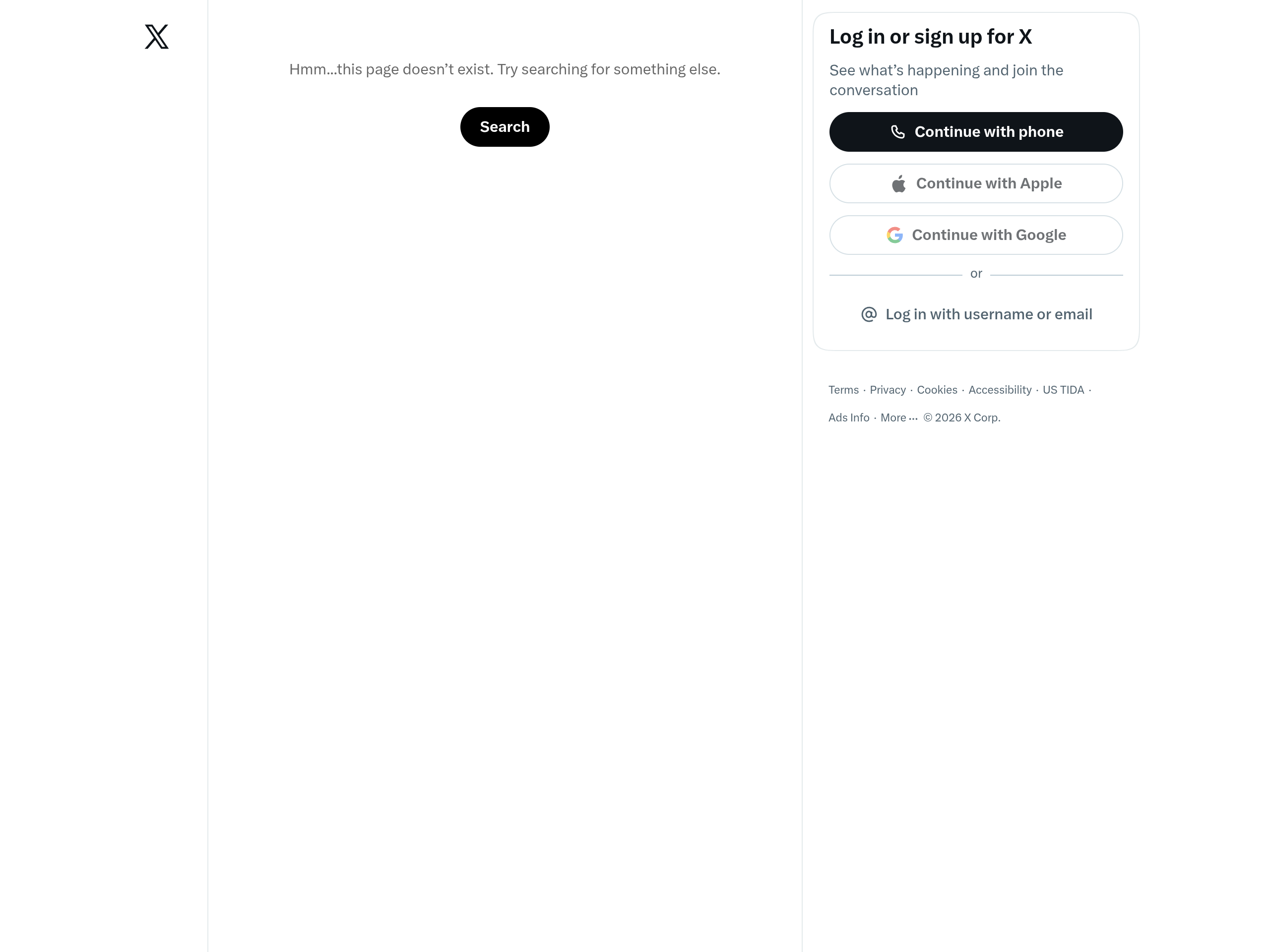
X/Twitter profile — public social presence and engagement signals visible to buyers.
An inactive X/Twitter profile can signal brand neglect to buyers who check social proof before purchasing.
Across 25 clothing and fashion buying questions on Google Gemini (Search grounding) + OpenAI (web search) + Claude (web search) + Retrieval Engine + Perplexity (Sonar) (1× each), the brand was named 0 times. Levi's is recommended instead. (Measured for the inferred category "clothing and fashion" in India. If that's not your category/market, this finding may not apply.)
What changes next: Build the entity, schema, review density and citable content AI engines pull from, then re-scan to track movement.
Levi's was named in 15 of 25 clothing and fashion buying questions, while you were named in 0 — AI is routing that demand to them. (Measured for the inferred category "clothing and fashion" in India. If that's not your category/market, this finding may not apply.)
What changes next: Study the questions where Levi's is named and you are not, then close those specific gaps (schema, reviews, citable content) and re-scan.
Product and FAQPage schema is absent. Organization schema is valid. Without complete schema, AI/search systems have to guess what you sell, who you are, and what buyers say.
What changes next: Add product, organization, breadcrumb, FAQ, and review schema so AI/search systems can parse the brand without guessing.
The call
The product should keep pushing toward this shape: faster founder comprehension, stronger proof and a clear implementation path instead of a passive scorecard.
Days 1-7
Make the brand easier to verify before new traffic arrives.
Days 8-30
Increase entity confidence across Google and AI answer surfaces.
Days 31-90
Turn the audit into a recurring visibility and conversion operating loop.